



Trials and Persecution of Believers: “We were Destined for Them”

In Acts chapter 17 in the New Testament portion of the Bible, we have the story of Paul and Silas's visit to the Greek city of Thessalonica, where they preached the Gospel of Jesus Christ. These people in Thessalonica paid a high price for believing that Jesus was the prophesied Jewish Messiah. Some of them were arrested. It was a mixed congregation of both believing Jews, and Gentile believers. They were attacked by the Satanic Jews who rejected Jesus, the equivalent of the "Zionists" in today's culture. As in many of Paul's journeys recorded in the book of Acts, the Satanic Jews probably tried to kill him, which forced the believers to quickly get him out of Thessalonica. Being cut off from these new believers, Paul grew concerned about them, especially because they were being persecuted by the Satanic Jews. So he wrote a letter to them, and this is recorded in the New Testament, in 1 Thessalonians. He reminded them that all believers are "destined" for these kinds of trials and persecutions.
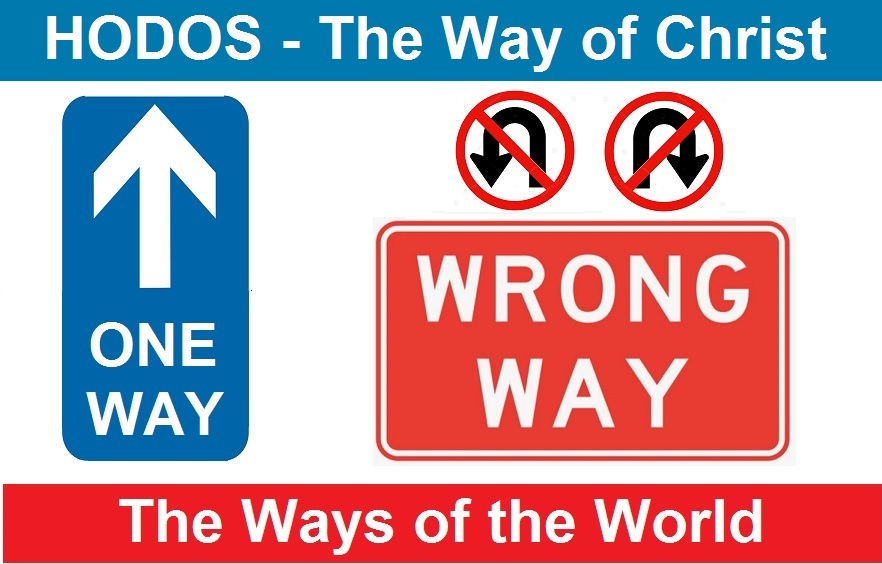
Hodos: The Way of Christ – One Way Only, No U-Turns

I have written many articles over the years explaining that the use of the term "Christian" and the religion of "Christianity" in modern-day Western culture are not consistent with what we find in the New Testament portion of the Bible. Many of the readers of these articles see this truth, and therefore want to know what terms to use to describe those of us who are followers of Jesus Christ and do not want to be identified by the teachings of men and their false, destructive religious doctrines. I have publicly called myself a "Spiritual Jew", which is a more descriptive designation according to the teachings of the New Testament original manuscripts, and highlights the fact that we cannot use the term "Jew" or "Jewish" to simply refer to only one group of people. Jesus himself divided the Jews of his day between Jews who became his disciples, and Jews who rejected him and followed their "father" the Devil, as he so clearly teaches in John chapter 8. Jesus himself never abandoned the term "Jew" and continued to distinguish the difference between the "Godly Jews" and the "Satanic Jews" all the way into the book of Revelation, the last book of the New Testament, implying that the term "Jew" should really only apply to the Godly Jews. How one defines the term "Jew" in their own minds is almost completely prejudicial today, based on religious dogma. What I want to do in this article, is look at the texts of the New Testament to see how the disciples of Jesus referred to themselves, and propose the use of a word that is in the original texts but is not common in the English language, and therefore may have less prejudicial biases than common terms used today in the English language. And that term is "Hodos."